The Origins of Le Code Noir

Twenty-seven years in the making.
The Roots of Le Code Noir

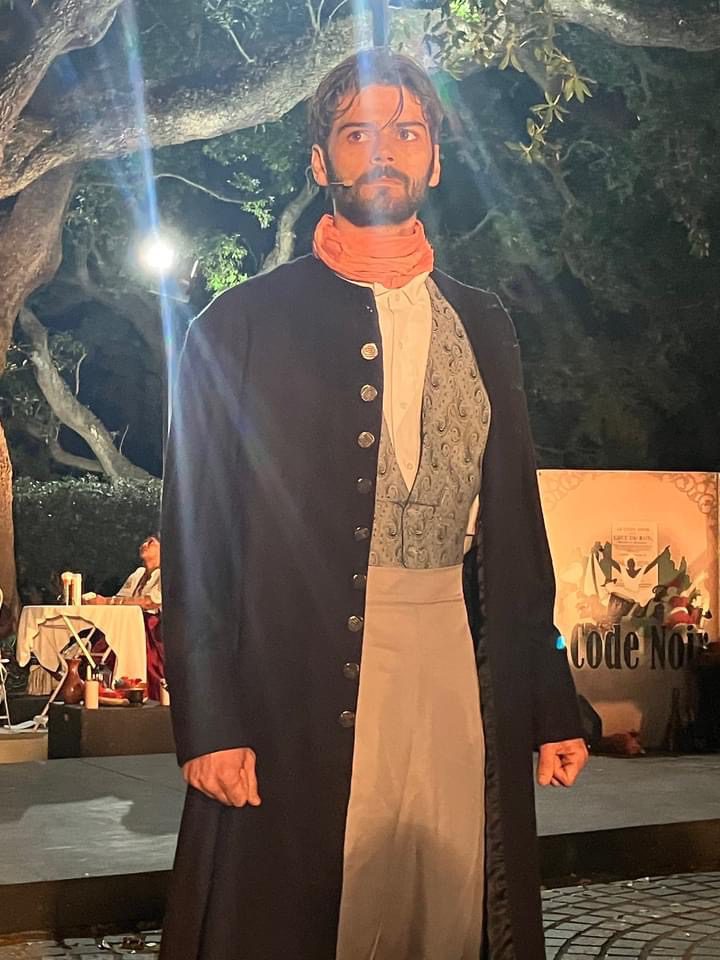
Le Code Noir, New Orleans' first historical outdoor drama, was conceived and written in 2004 by Ms. Tommye Myrick and Mark R. Sumner, former director emeritus of the United States Institute of Outdoor Drama.
Le Code

The play's title refers to French King Louis XIV's 1685 edict, which established the legal framework for slavery in Louisiana’s Antebellum South. Uniquely, the "Code Noir" or "Black Code" allowed enslaved Africans and free people of color to gather weekly in an open space in New Orleans called "Place 'de Negres" (now known as Congo Square).
The Journey

The drama chronicles the life of Santee, an 18-year-old enslaved African girl sold as a concubine after her master fled the Haitian Revolution. Over the following 40 years, Santee's life is interwoven with pivotal American historical events, including the Louisiana Purchase, the Slave Revolt of 1811, and the Battle of New Orleans.
Based on the creative dramatization of these events, the play explores crucial themes in Louisiana and U.S. history, using regionally and nationally recognized figures to tell a powerful story of survival and foster a new sense of understanding.